Closed
5.5 – 3.6 2026
William Wegman:Looking Right and Left
Wiltshire
William Wegman:Looking Right and Left
5.5 – 3.6.2026
Closed
Hours
Monday to Wednesday, 10:00am – 3:00pm
Gallery
Wiltshire
Mildenhall
Marlborough
SN8 2LW
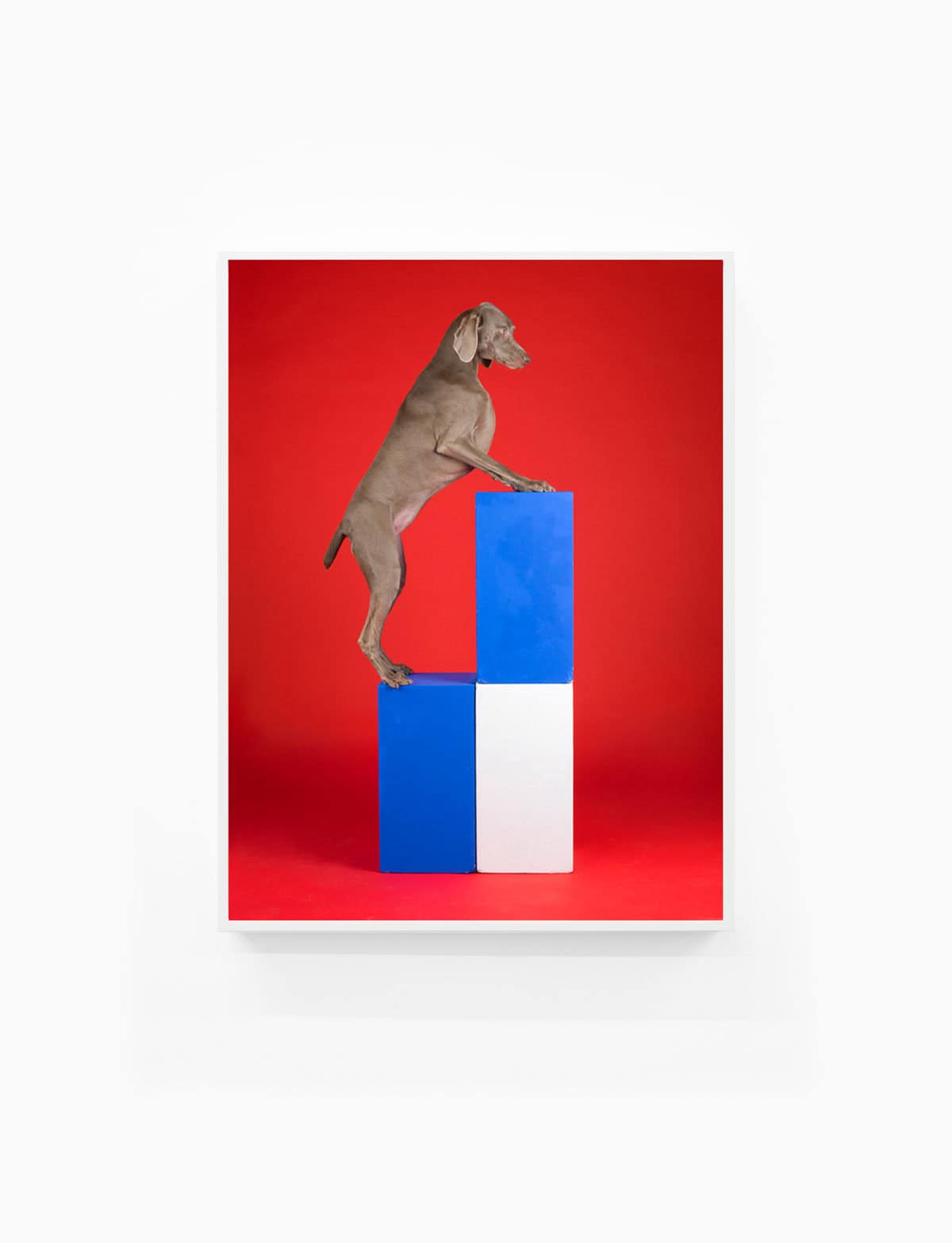
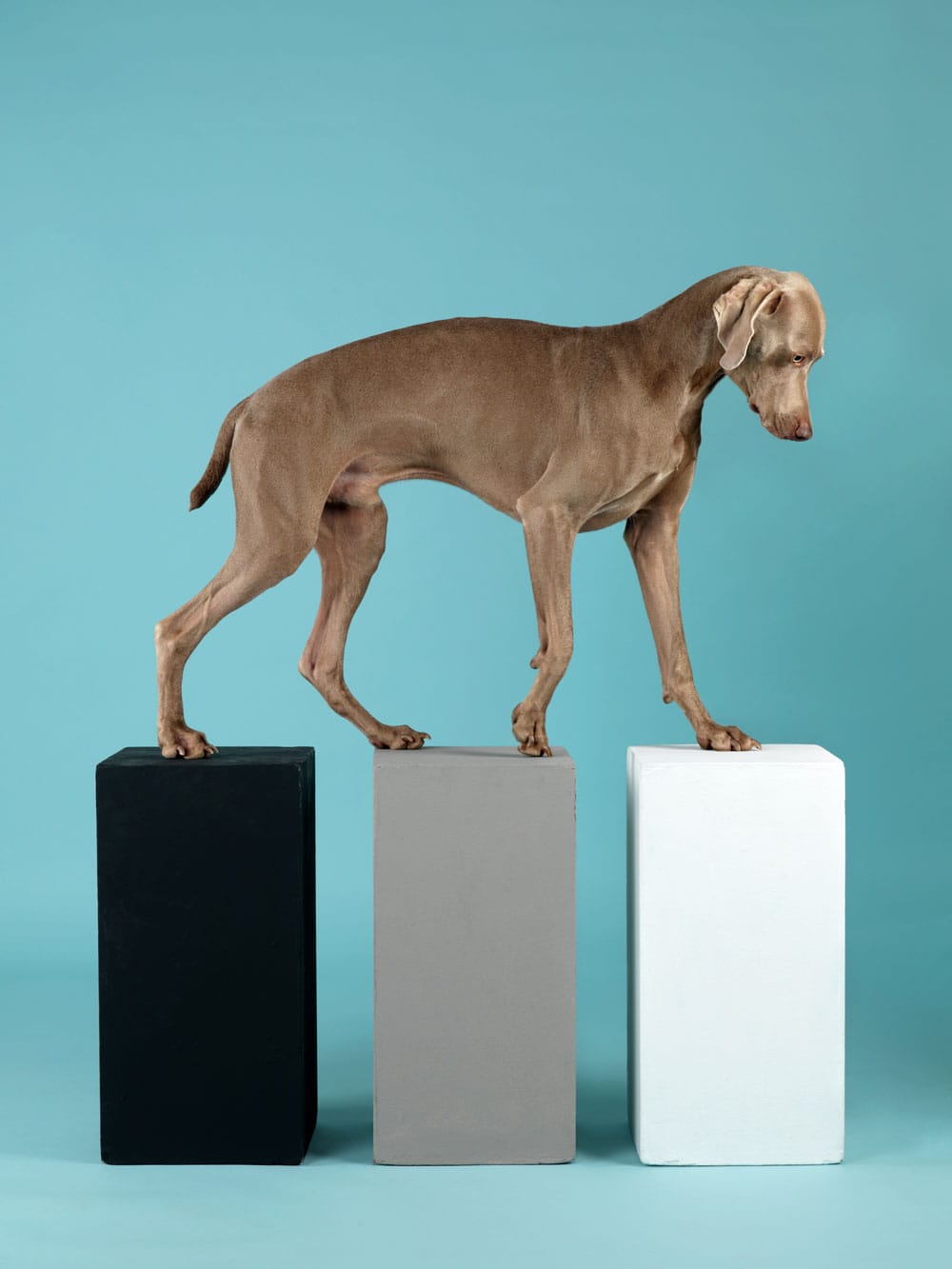
William Wegman. Blocked (2014)
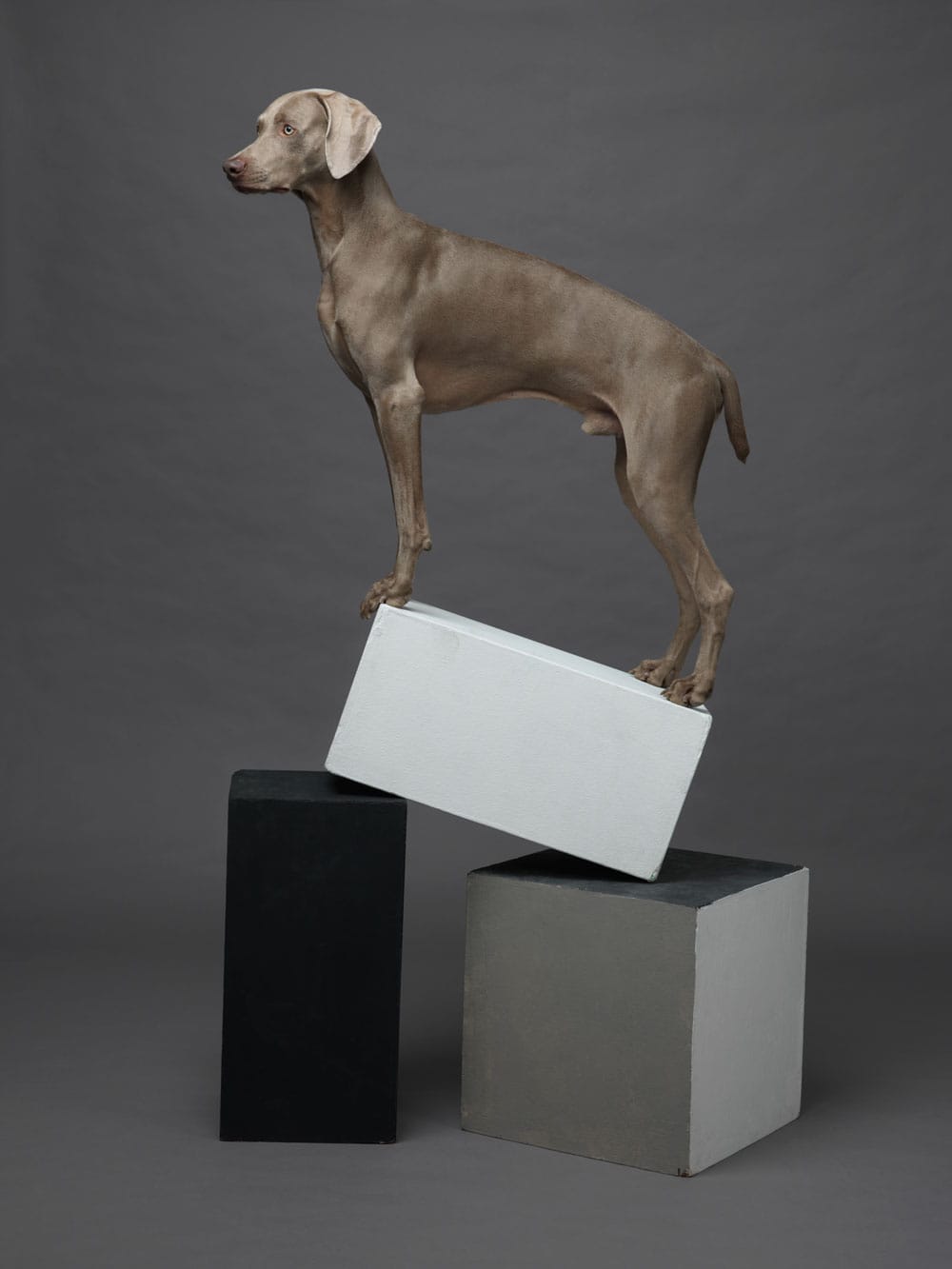
William Wegman. Contact (2014)
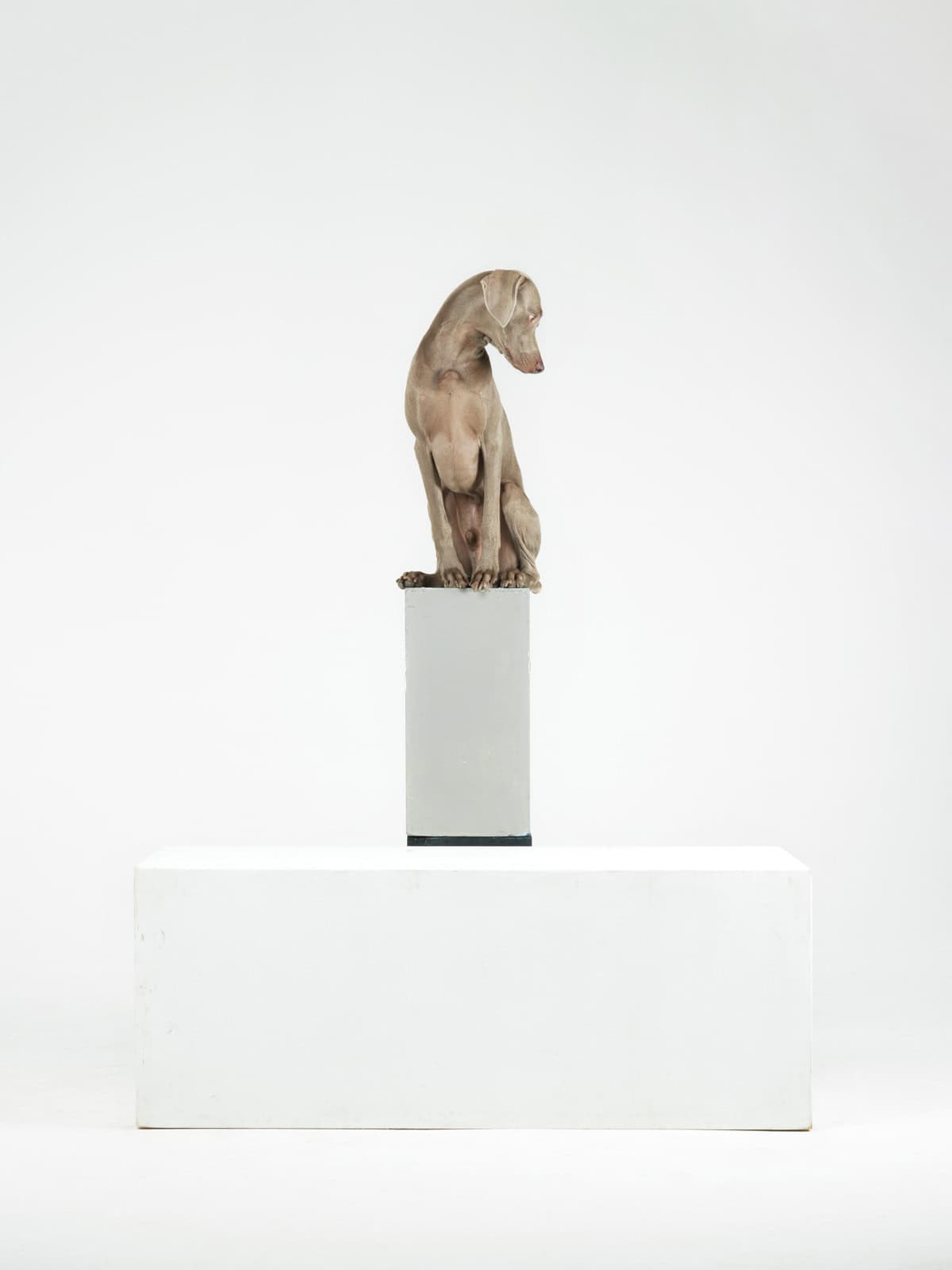
Huxley-Parlour is pleased to present an exhibition of eight large-scale photographs by William Wegman at its Wiltshire gallery.
William Wegman has played a central role in the development of conceptual photography since the 1970s. He is widely known for his sustained collaboration with his Weimaraners, beginning with Man Ray, through which he has examined systems of meaning, authorship, and performance. Working across photography, video, painting, and drawing, Wegman has consistently approached the image as a site for both conceptual enquiry and formal experimentation. The exhibition coincides with William Wegman: Video Works 1970-77 at Huxley-Parlour, Swallow Street, which presents a focused selection of the artist’s early video works.
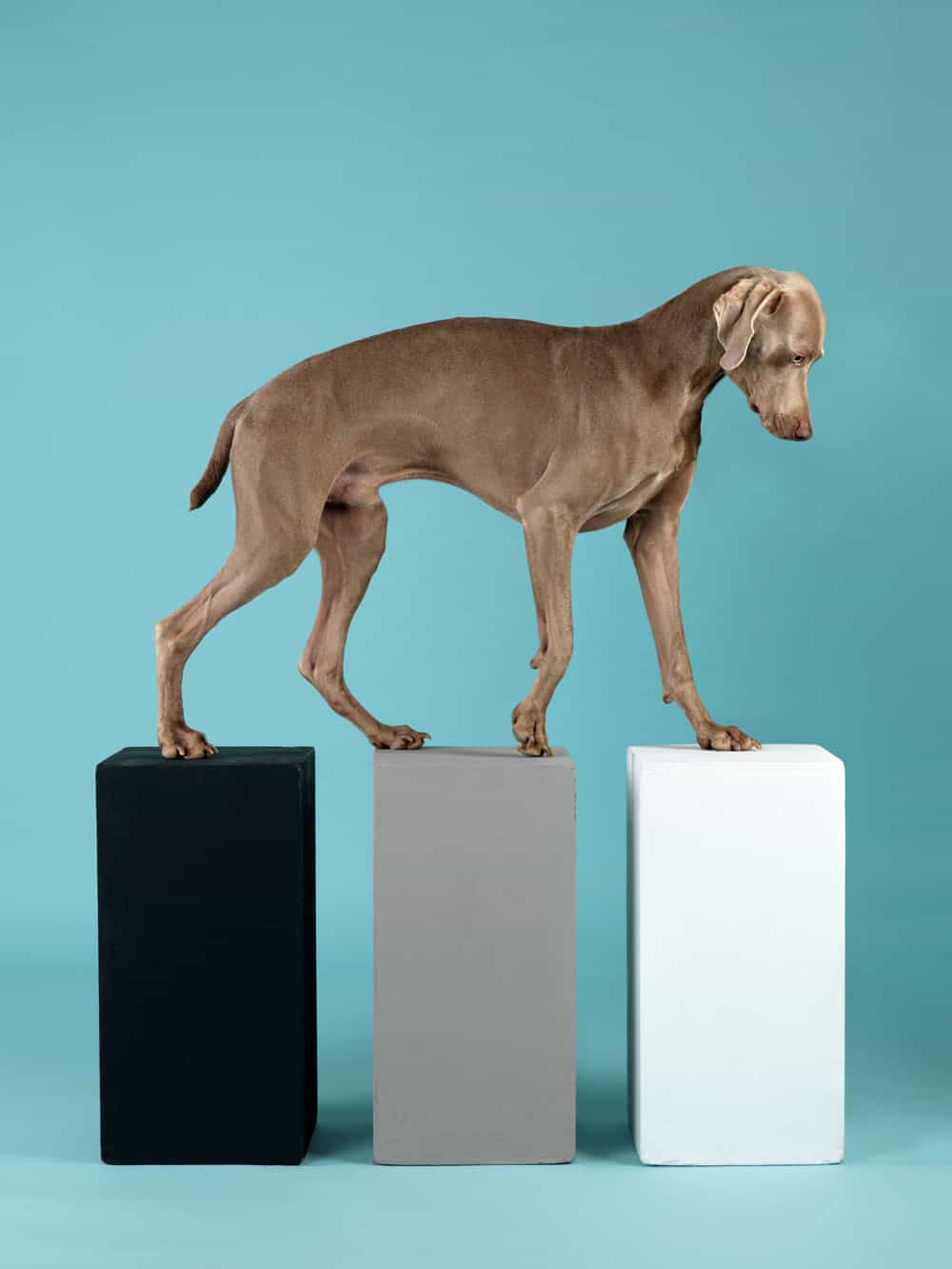
William Wegman. Contact (2014)
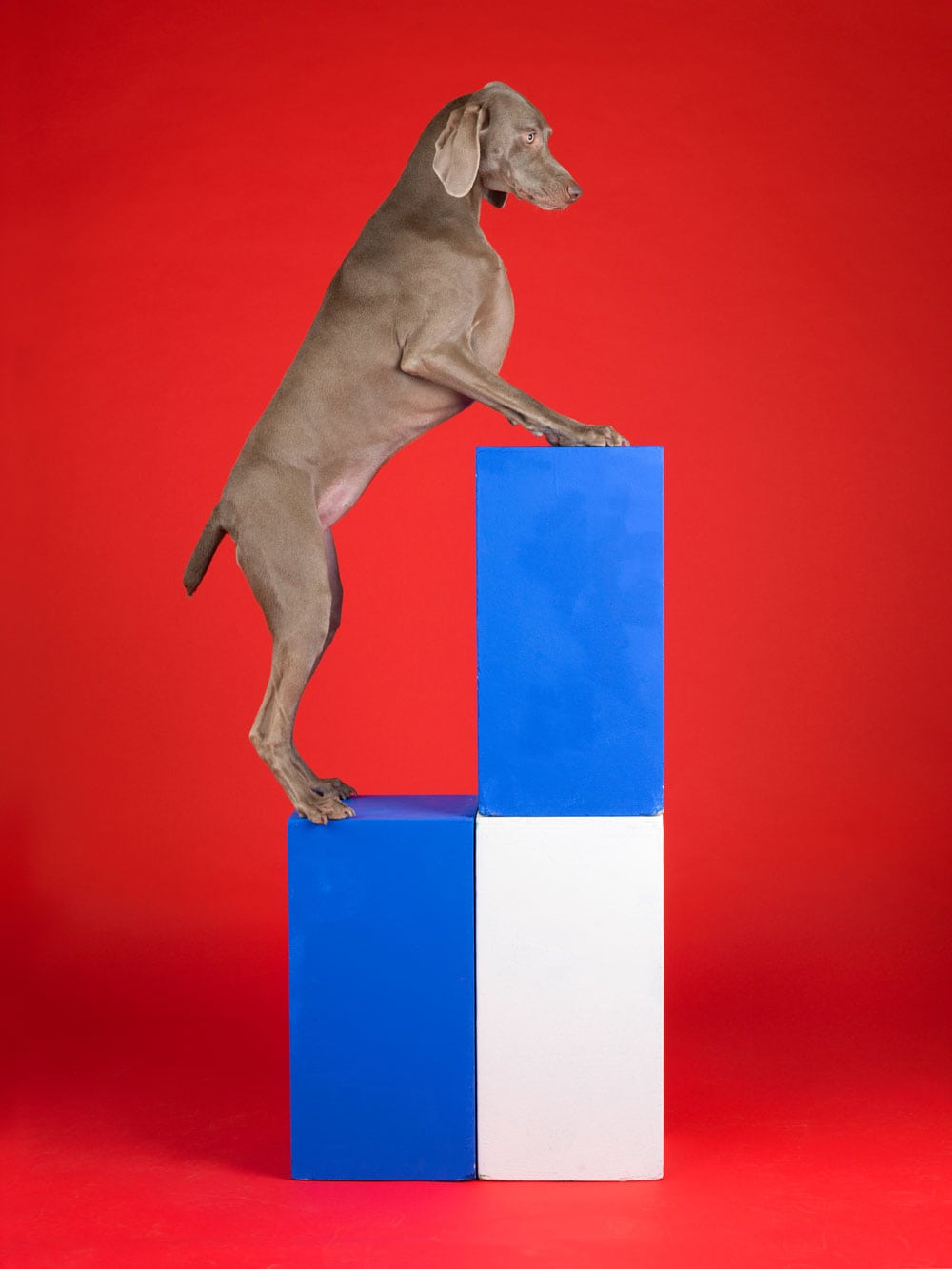
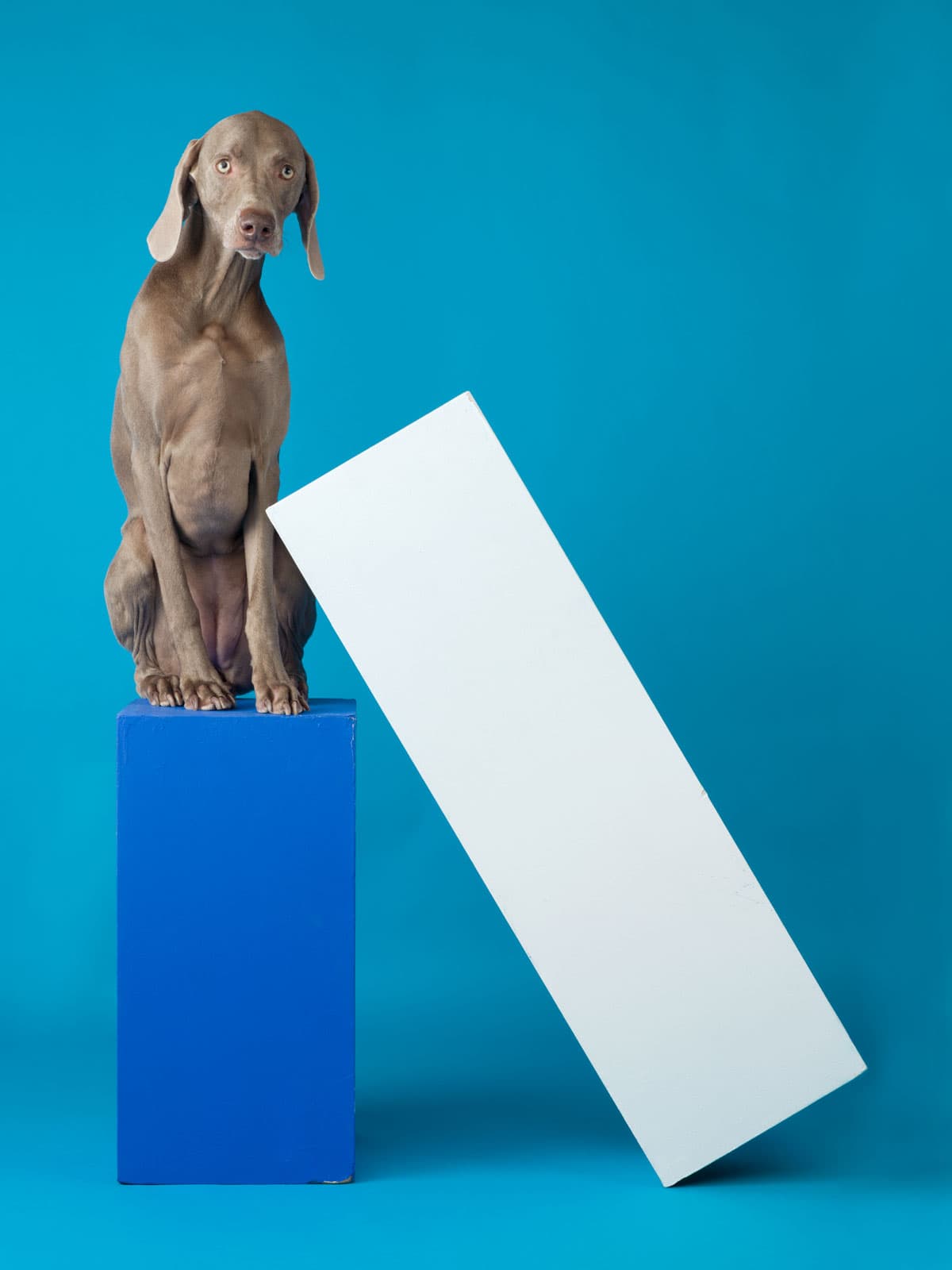
Wegman’s photographs deploy humour as a structural and analytical tool. Through carefully staged compositions, he explores symmetry, repetition, and gesture, producing images that move freely between the deadpan and the surreal. His work foregrounds the tension between conceptual rigor and apparent simplicity, collapsing distinctions between the ordinary and the constructed.
Referencing fashion photography as well as the history of art, Wegman’s practice engages a wide range of visual traditions. His use of costume, props, and sets activates a sustained engagement with modernist traditions, reframing their formal concerns through photography.
The Works
8
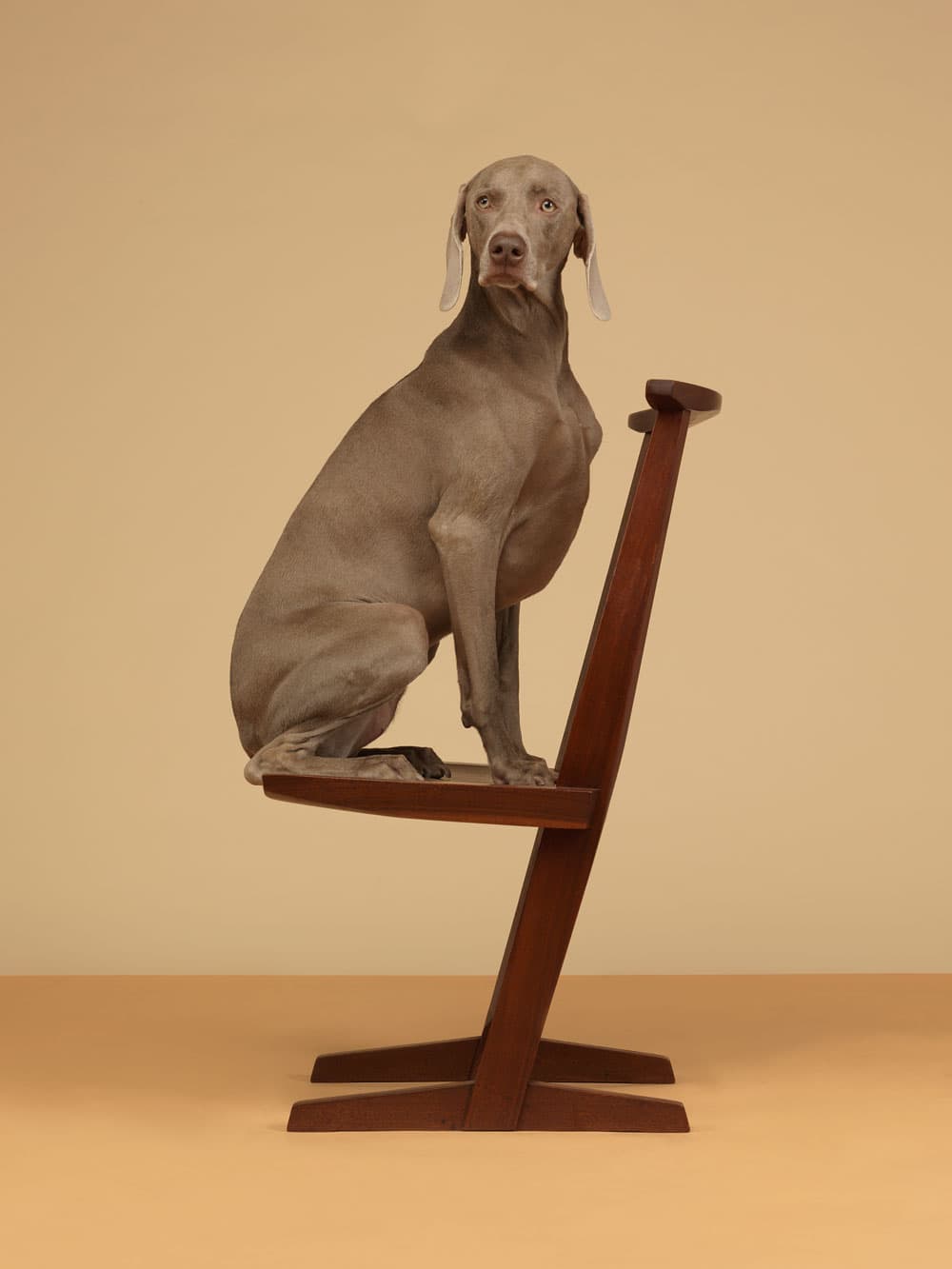
William Wegman
Cantilever
2015
Pigment print
William Wegman
Blocked
2014
Pigment print
William Wegman
Contact
2014
Pigment print
William Wegman
Cubist
2015
Pigment print
William Wegman
Lean To
2014
Pigment print
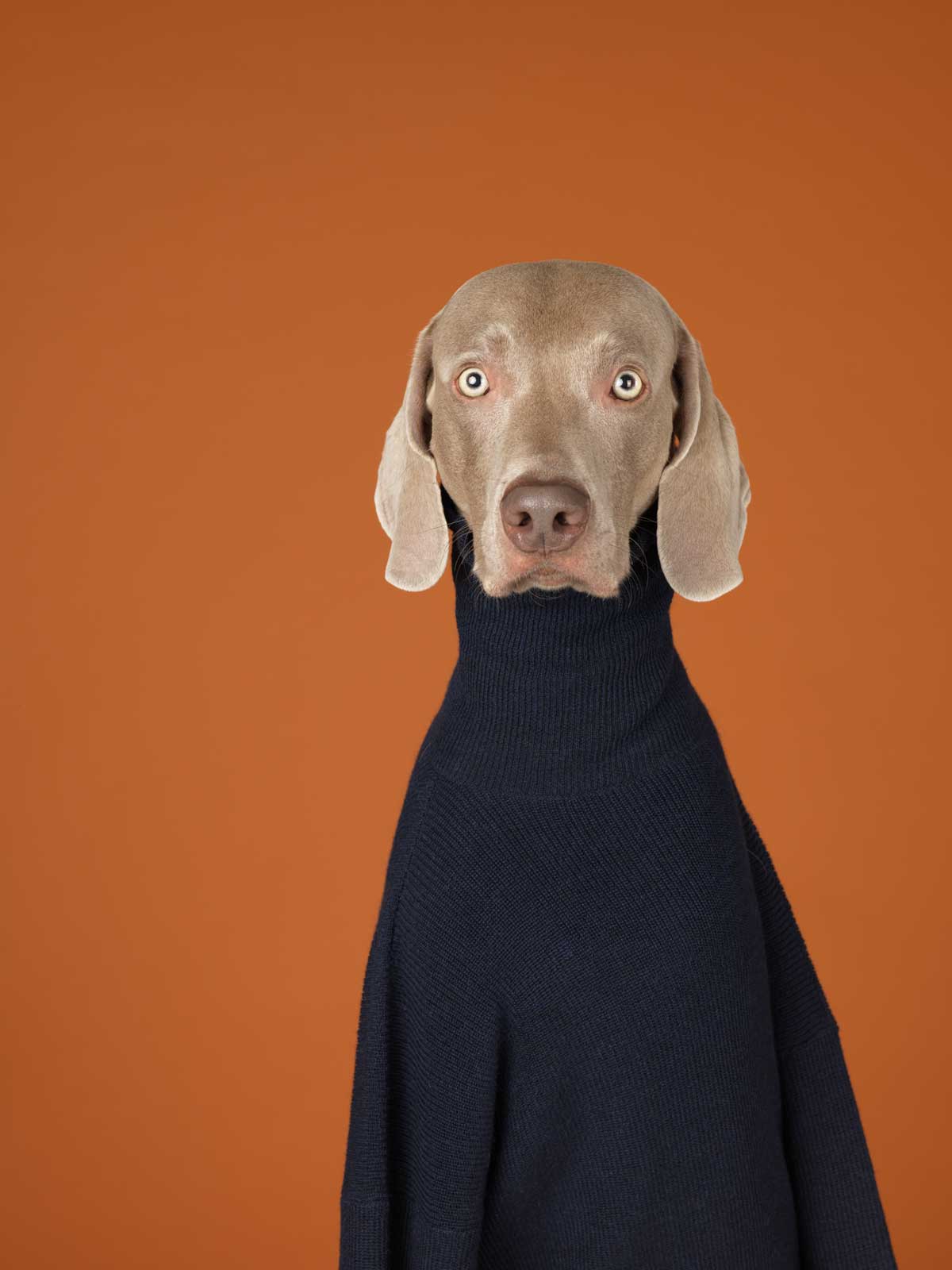
William Wegman
Turtle Neck
2015
Pigment print
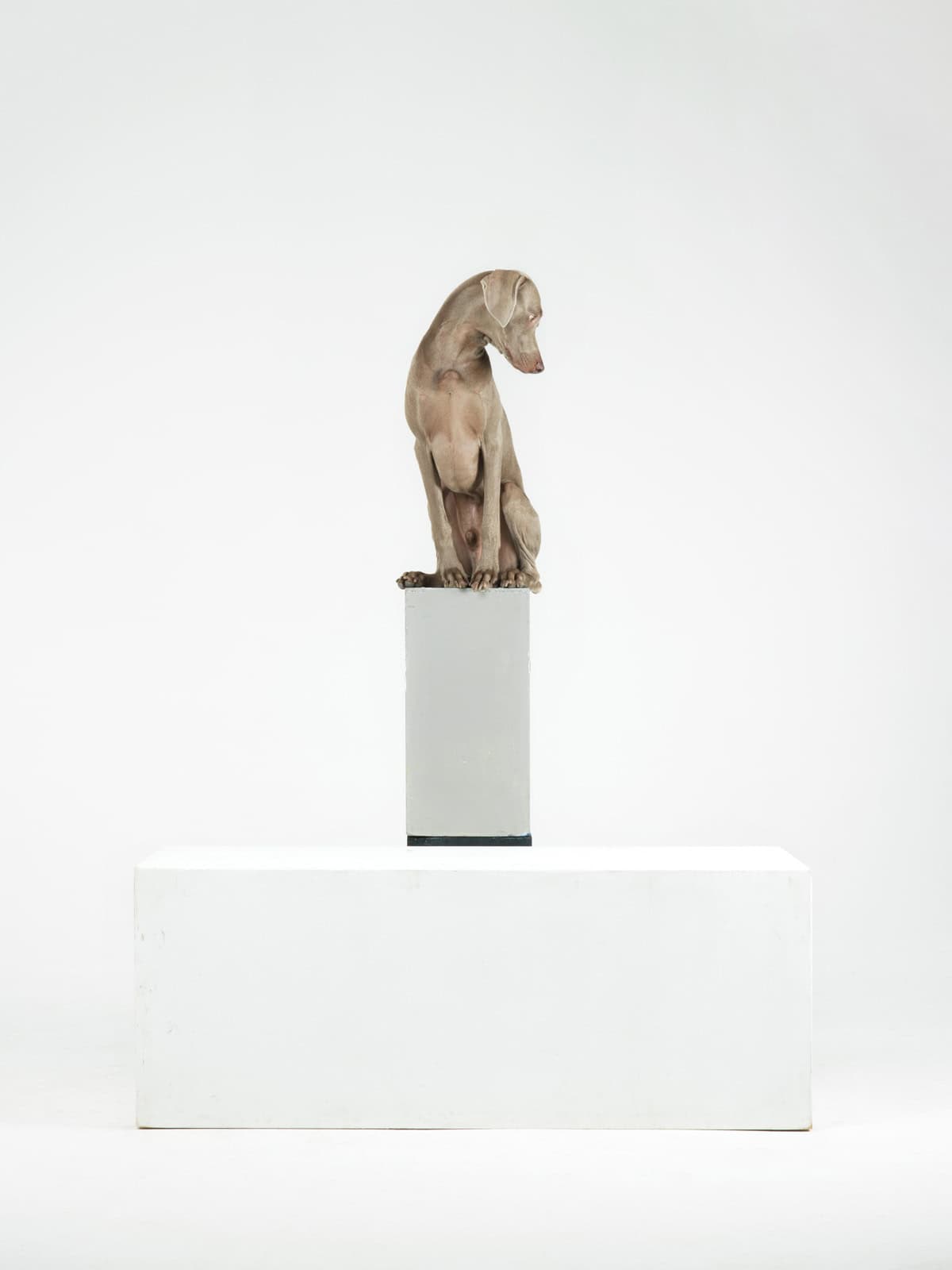
William Wegman
Lower Case
2014
Pigment print
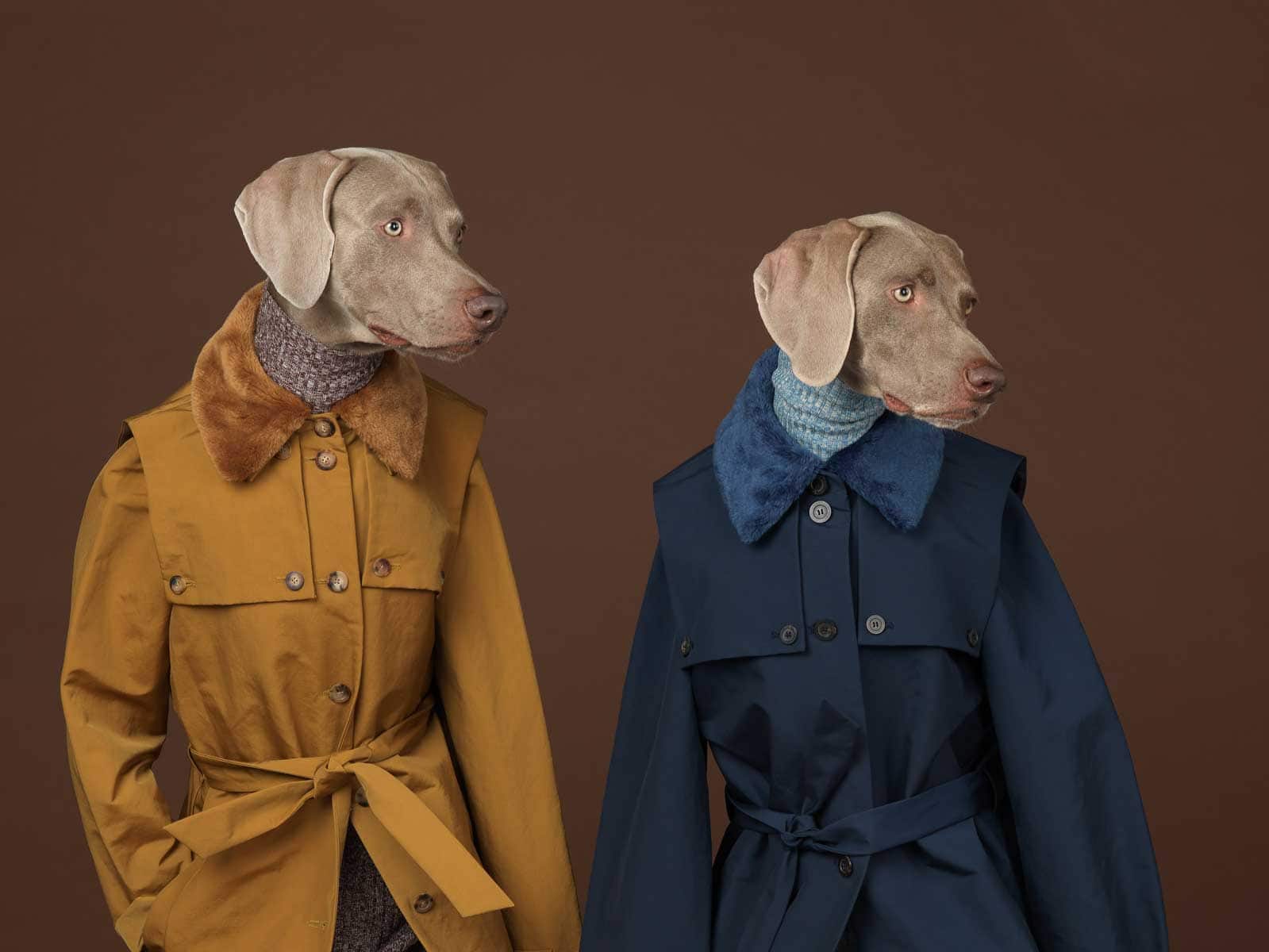
William Wegman
Looking Right
2015
Pigment print
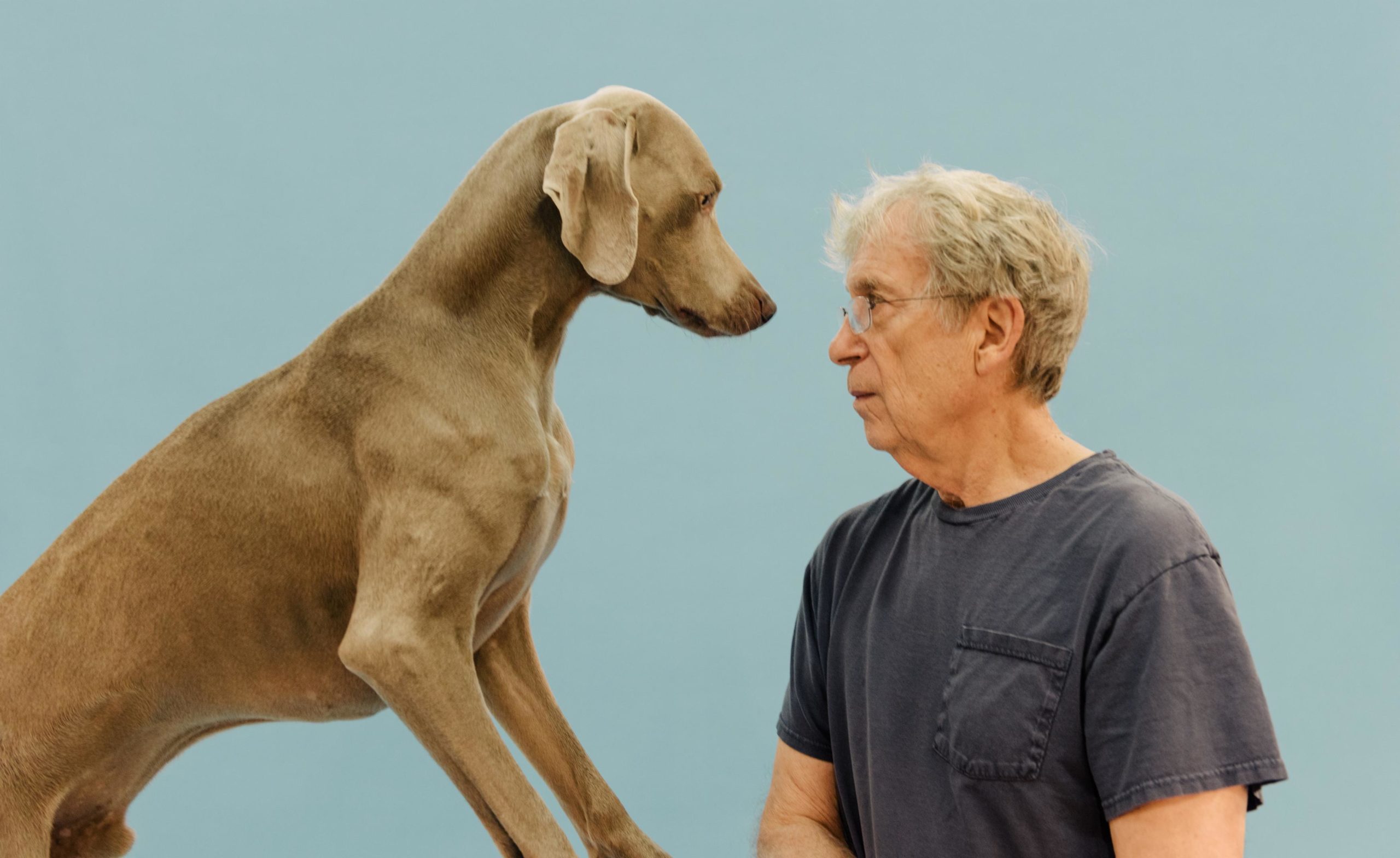
B. United States1943
Biography
William Wegman is best known for his ongoing artistic collaborations with his Weimaraners. Wegman’s early work focused on black and white photographs and moving images that utilised the subtlest of visual puns to convey their message. Man Ray, his first Weimaraner, became a central figure in Wegman’s early photographs and video works. He became an early exponent of conceptual art, and his first works were performance based. Pieces included throwing radios off a roof and floating Styrofoam letters along the Milwaukee River. An installation work was included in Harold Szeemann’s influential exhibition Live in Your Head: When Attitudes Become Form in Bern in 1969, alongside works by Joseph Beuys, Richard Serra and Bruce Nauman.
Wegman’s first photographs and films were made as a way of documenting these early ephemeral and performance-based works, although they quickly became the focus of his artistic output. Wegman returned to photographing dogs in 1987, using a large format 20×24 inch Polaroid camera. Wegman worked extensively with the Polaroid format from 1979 until 2007.
William Wegman was born in Holyoke, Massachusetts in 1943. He received a BFA from the Massachusetts College of Art, Boston and an MFA in painting from the University of Illinois, Urbana-Champagne in 1967. Wegman has been the recipient of two Guggenheim Fellowships and two National Endowment for the Arts grants and his work has been exhibited in museums and galleries across the world. These have included the seminal exhibitions When Attitudes Become Form and Documenta V, as well as a retrospective organised by the Kunstmuseum Lucerne in 1990, which travelled to museums including the Centre Pompidou, Paris and The Whitney Museum of American Art, New York. Recent exhibitions include William Wegman and California Conceptualism, at the Metropolitan Museum of Art in 2018, and Being Human, which was the central exhibition at Rencontres de la Photographie in Arles in the summer of the same year.
William Wegman lives and works in New York and Maine.