
Closed
16.3 – 2.4 2026
Robert Frank:Mary and Andrea on Third Avenue
Robert Frank:Mary and Andrea on Third Avenue
1955
Vintage silver gelatin print
11 x 14 inches
The American writer and father of the Beat Generation, Jack Kerouac, wrote that Robert Frank, ‘with that little camera… sucked a sad poem right out of America onto film.’ It is well known that Swiss-born Frank became quickly disillusioned with the United States while creating his project ‘The Americans’, which was first published in 1959. The pace, the relentless cadence of the American dream left little air to breathe for those chasing it, and yet all seems too little – it’s this melancholy that animates Frank’s series.
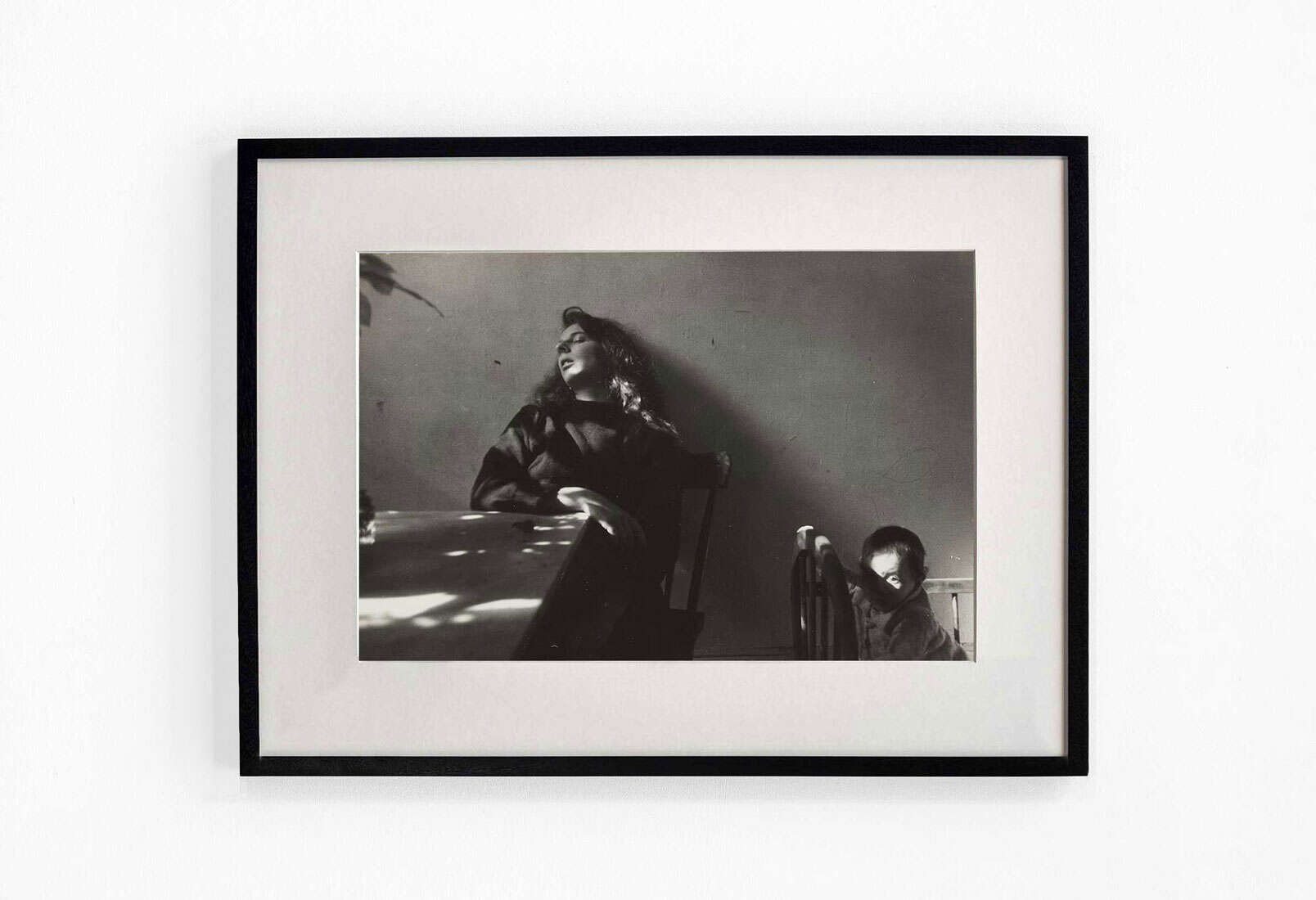
Mary, Frank’s first wife, dozes in a stark, undecorated room, apparelled in dappled light. Andrea, her child, looks into the lens as one ray of light cuts above the wood and highlights their gaze and expression of consternation. It was photographs such as this one that Kerouac marvelled at when he wrote that Frank’s grey film mystically and miraculously captured the colour of human kind.
In Context

Bill Brandt’s social documentary project ‘A Night in London’ was a significant inspiration for Frank’s ‘The Americans’. Brandt’s wit, acerbic eye, and brooding approach to photography can all be seen in Frank’s work, published fourteen years later.
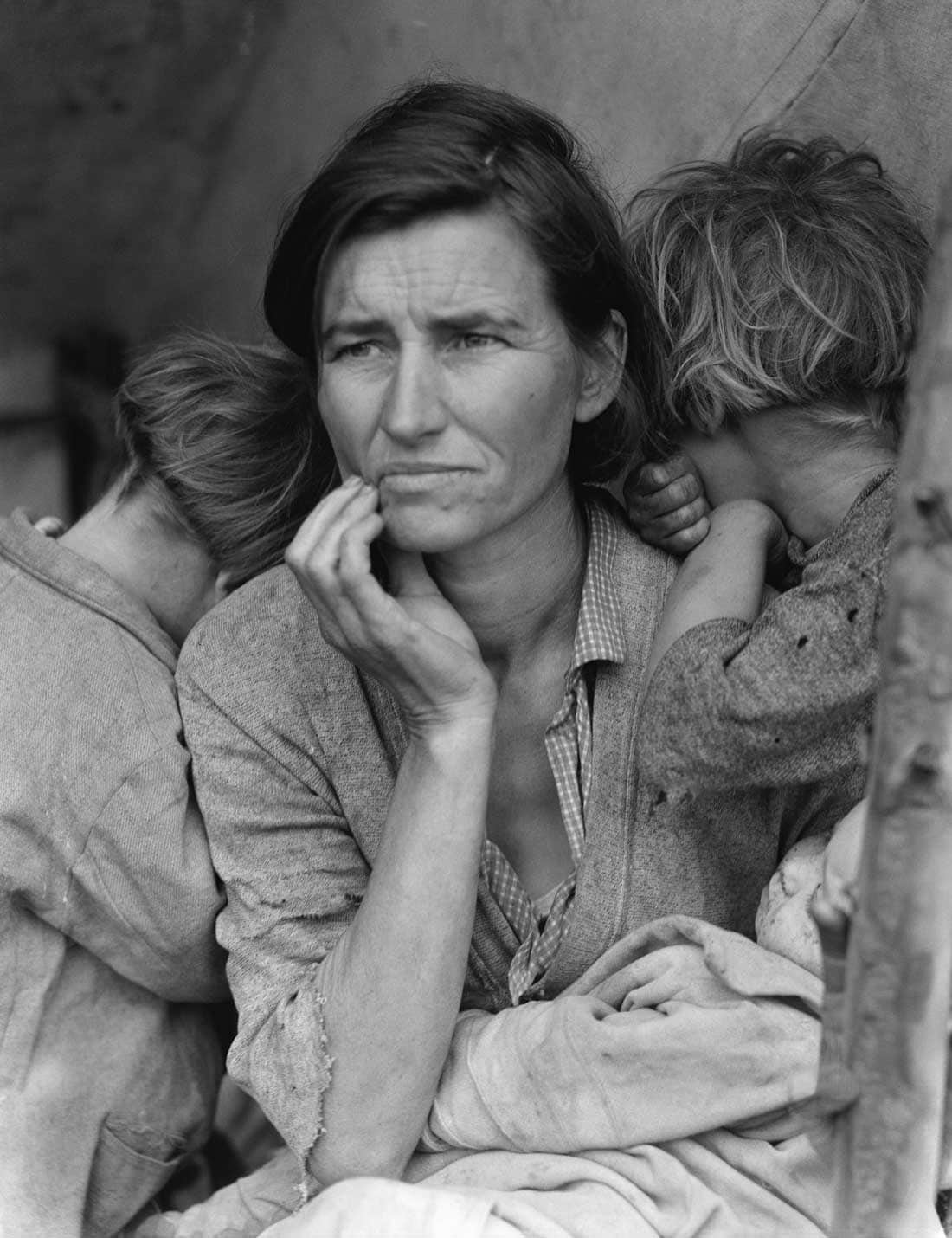
The tradition of documenting the economic and social struggles of America through photography had begun some years prior. One of the most notable examples is this photograph, ‘Migrant Mother’, by Dorothea Lange, which depicts those affected by the Great Depression. Frank’s gaze, however, is more gritty, less ennobling than Lange’s. It was this approach that led to one critic describing Frank’s photographs as ‘joyless’, and without ‘pity’, while others appreciated the immediacy of his stark, melancholic photographs.
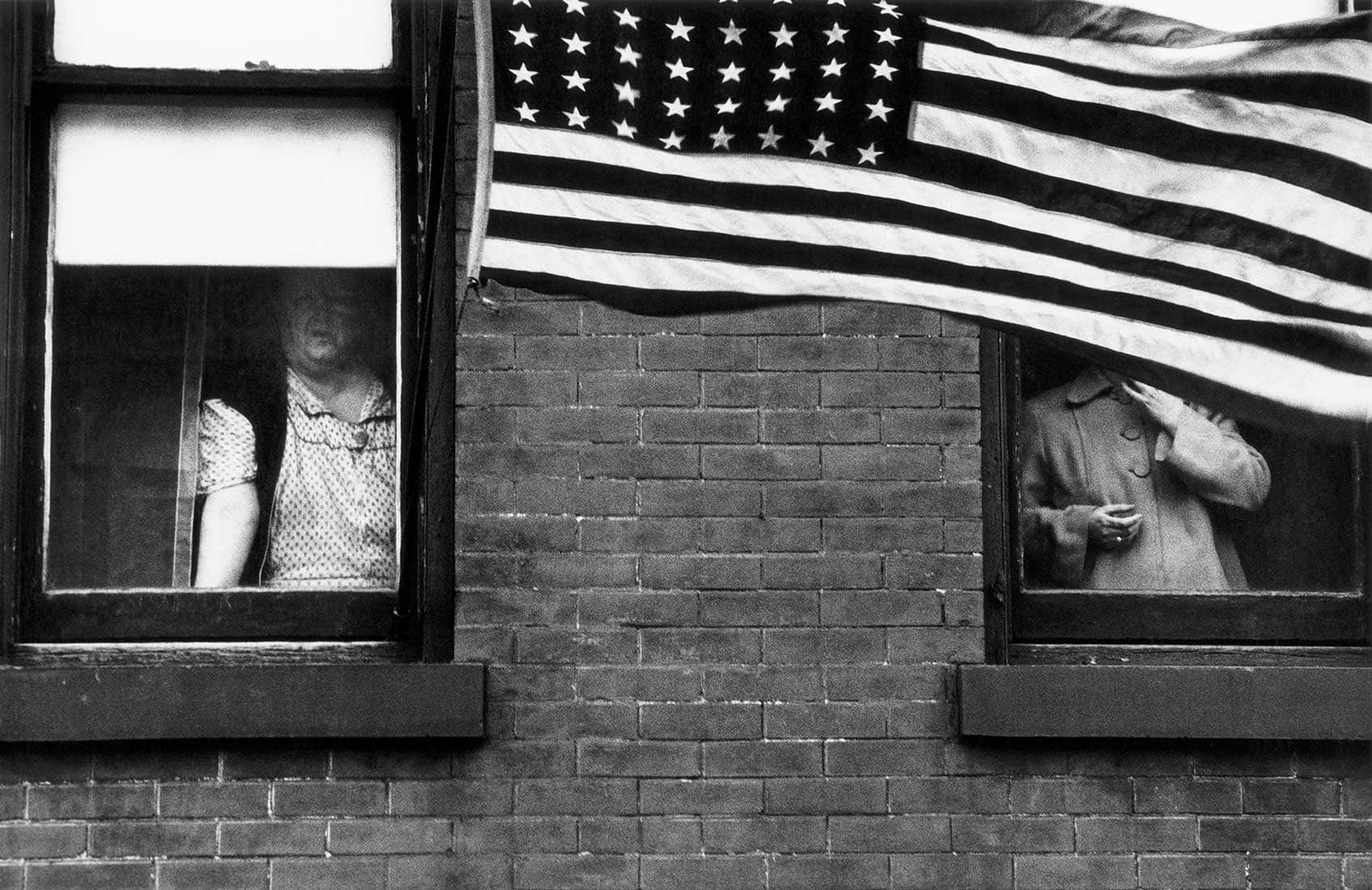
Funded by the Guggenheim, ‘The Americans’ was a decade-long project that saw Frank travel over 10,000 miles across the United States. His photographs stood as the most comprehensive survey of American social life that had been made hitherto, and photographs like ‘Parade — Hoboken, New Jersey, 1955/56’, pictured above, remain among the most famous photographs ever taken.
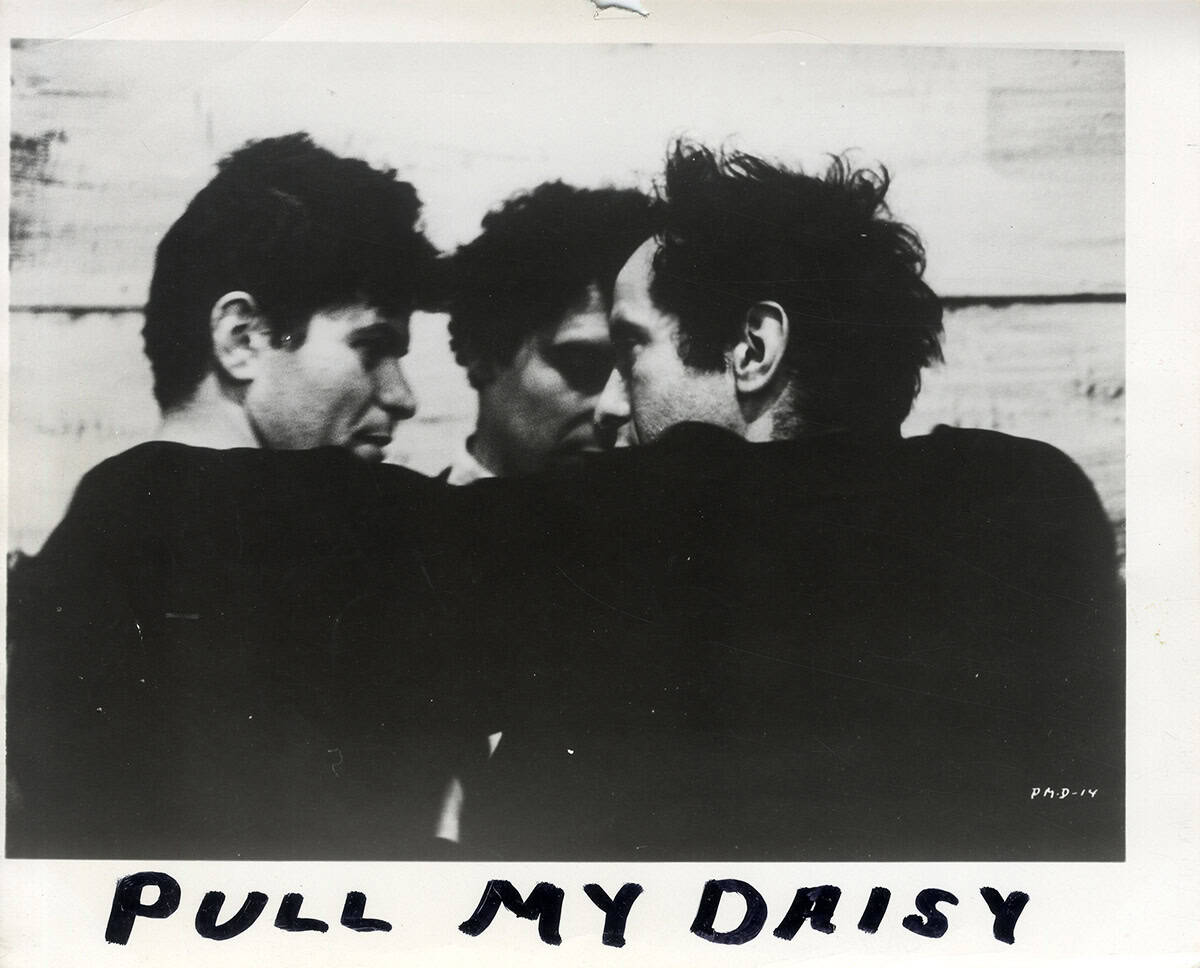
After publishing ‘The Americans’, Frank dedicated himself to film making. ‘Pull My Daisy’, 1959, is a witty, surreal work about American life and features many important figures from the ‘Beat Generation’.
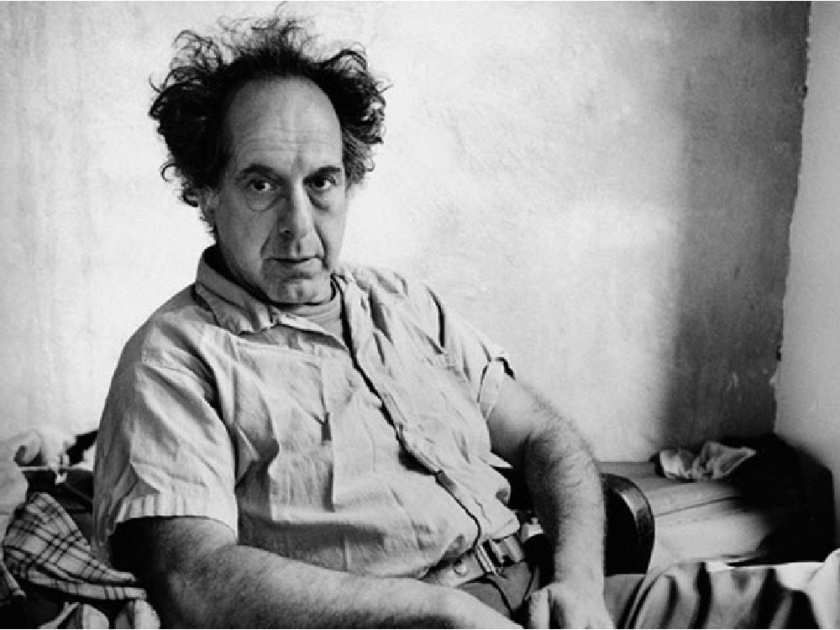
B. United States1924-2019
Biography
Robert Frank is best known for his seminal series The Americans (1958) which left a lasting influence on documentary photography. Frank’s photographs were strikingly direct representations of 1950s American society. His unusual tilting of the camera and grained exposure embraced movement and imperfection, showing a revolutionary perspective of America which expressed the emotions of the inhabitants and would lay the foundation for stylistic developments of the documentary genre for decades to come. Upon moving to New York in 1947, Frank worked as a freelance photographer for LIFE, Vogue, and Look magazine and later turned towards filmmaking. His films are classic examples of American subculture, including the celebrated Pull my Daisy (1959).
Robert Frank was born in 1924 in Zurich, Switzerland. He began studying photography in 1941, before emigrating to the United States in 1947. Frank is the recipient of a Guggenheim Fellowship, the Hasselblad Foundation International Award in Photography and the Edward MacDowell Medal. Frank became a Doctor of Fine Arts at the Nova Scotia College of Art and Design University in Canada. Frank’s work has been exhibited internationally including solo exhibitions at the Art Institute of Chicago, Tate, London and Kunsthaus Zürich. In 1996 Frank was awarded the Hasselblad Foundation International Award in Photography in 1996 and the Edward MacDowell Medal in 2002. Frank became a Doctor of Fine Arts at the Nova Scotia College of Art and Design University in Canada. Frank died in 2019.